For sequential-art creators
Comic and webtoon character consistency
Sequential art is unforgiving. A reader sees your protagonist dozens of times per episode, so any wobble in the face or costume is instantly obvious. Here is how to keep a cast on-model across panels and chapters.
Comics and webtoons are the hardest test of character consistency because repetition is the whole medium. Your lead appears in a wide establishing panel, a tight reaction close-up, and a dramatic action beat — all on the same page. If their face or outfit shifts between those panels, the page reads as three different people, and the story breaks.
Keep a character reference for every recurring cast member
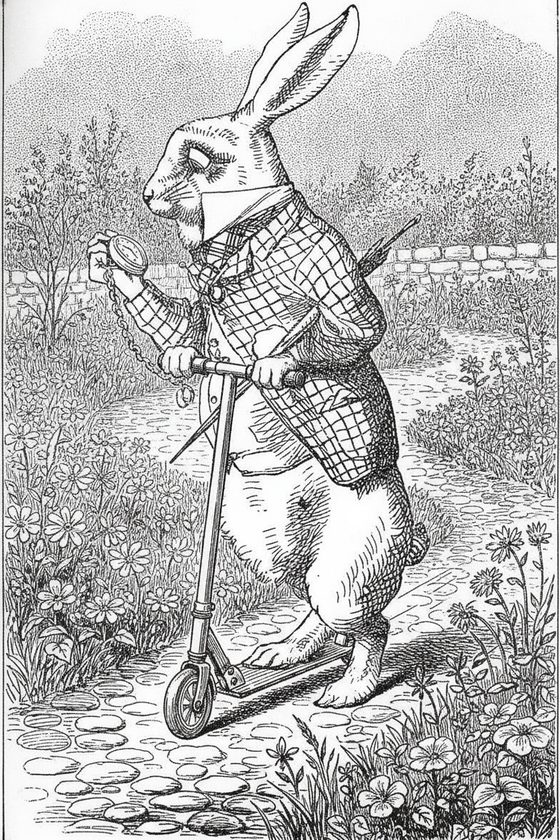
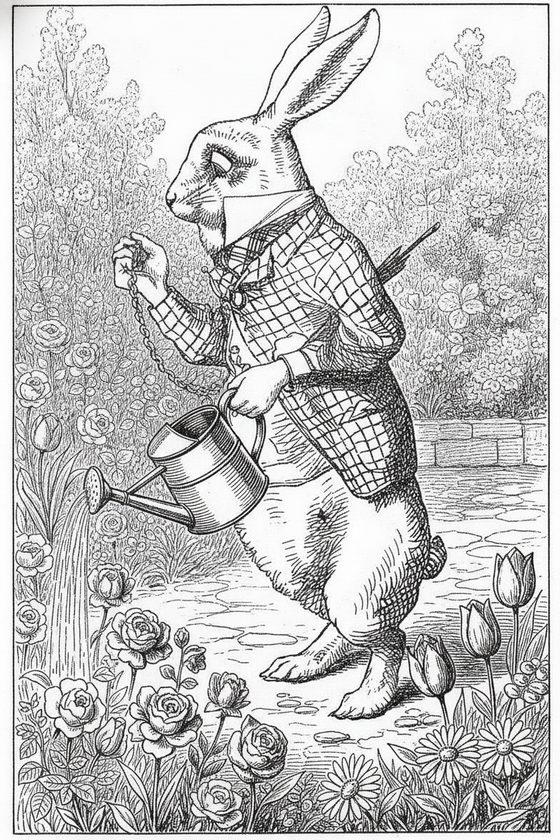
Build a small reference set per character — ideally a front view, a three-quarter view, and one full-body shot showing the costume. Generate every panel from that set, changing only the shot, the pose, and the background. Because each panel is anchored to the same references rather than to the previous panel, your lead stays recognizable even as the camera and action change.
Handle the things that trip up sequential work
- Big pose swings — a leap, a fall, a fight — ask for angles the primary reference may not show. Review strictly and simplify or re-run any panel that drifts.
- Distinctive marks are your friend: a checked waistcoat, a scar, a coloured streak in the hair. Prominent, defining features carry the most reliably from panel to panel.
- Line-art and engraving styles transfer well, though a very flat style can occasionally come back denser. Name your style in every prompt to hold it.
Work in strips, review in strips
Lay out a row of panels and review them together before you letter anything. A strip view makes the one off-model panel jump out immediately — far more than judging each panel alone. Re-run the outlier against the same reference, then move to lettering and layout in your comic tool. Add speech balloons and sound effects yourself; do not expect the workbench to render readable lettering.
Questions, answered plainly
Can I keep the same character across a whole episode?
Yes. Keep one reference set per recurring character and generate every panel from it. The key is anchoring to the original references, not chaining each panel off the last output, which lets small drifts accumulate over a long episode.
How do I keep two different characters consistent in the same panel?
Generate each owned or licensed character separately and composite selected finals into the panel. The native workbench intentionally handles one character identity per scene job.
Will speech bubbles and sound effects come out right?
No — add lettering yourself in your layout tool. Generative editing treats text as texture and will not produce clean, readable balloons. Keep the panel art and the lettering as separate steps.
What does it cost to make a full webtoon?
The workbench starts with one free watermarked preview, so you can lock your cast's look before spending anything. Producing episodes uses one-time 4-, 12-, or 40-scene packs — you pay only for what you generate, with no subscription.
Lock your cast's look
Bring your lead and generate the first panel. Keep them on-model, panel to panel.
One free watermarked preview here — no signup. Choose a pack only after you inspect the scene.